

Cart
0
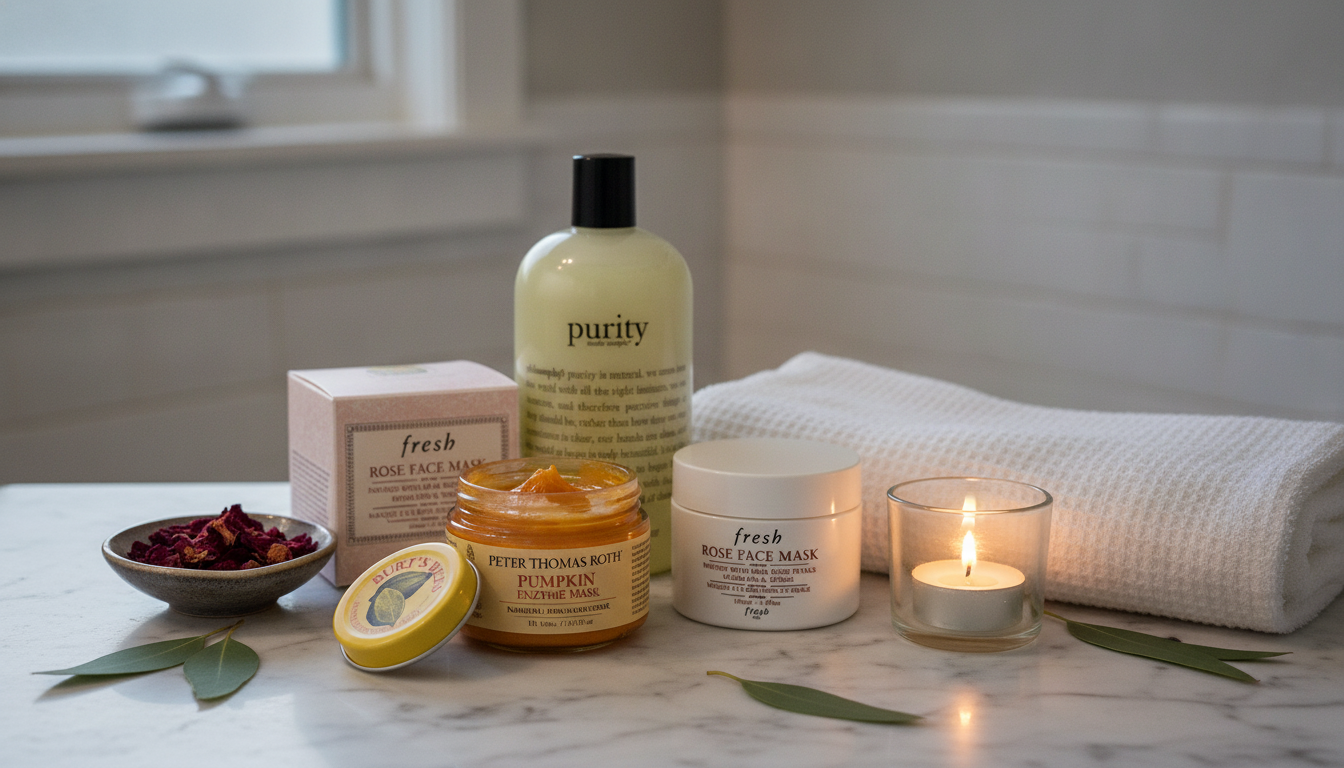
You've probably stood in front of a skincare shelf (or scrolled through a product page) and picked the one with the prettiest packaging. No judgment — most people do. But here's the thing: a mask or cleanser that works brilliantly for your friend's dry, sensitive skin might do absolutely nothing for your congested, dull complexion. The ingredient type is what actually determines what a product can and can't fix.
So before you add another jar to your bathroom shelf, let's talk about three genuinely different approaches to facial cleansing and masking — and which skin complaints each one is actually built to address.
The Problem: Dullness, Rough Texture, and Fine Lines
If your skin looks flat, feels rough to the touch, or you're starting to notice fine lines that makeup clings to instead of sitting smoothly — dead cell buildup is usually the culprit. Your skin naturally sheds cells, but that process slows down as you get older or when skin is stressed. The fix isn't more moisturizer. It's resurfacing.
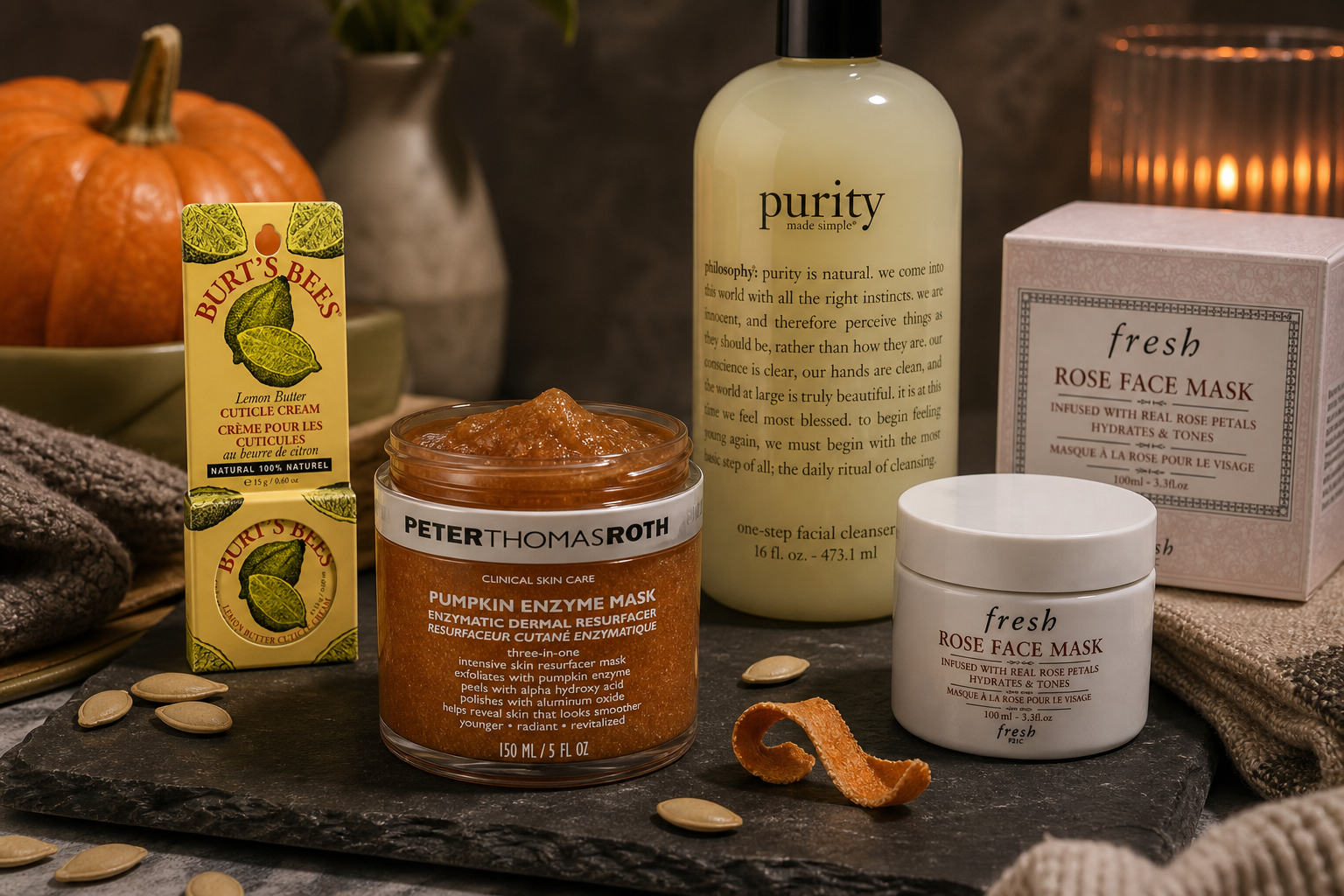
This is exactly where the Peter Thomas Roth Pumpkin Enzyme Mask Enzymatic Dermal Resurfacer earns its place. It works on three levels simultaneously: pumpkin enzyme exfoliates, alpha hydroxy acid peels, and aluminum oxide polishes. That three-in-one action is what makes it different from a standard scrub or a basic clay mask — it's targeting texture and dullness at multiple depths rather than just buffing the surface.
The mask comes in a generous amber-toned jar (150 ml / 5 fl oz) and is designed to help reveal skin that looks smoother, more radiant, and revitalized. If your skin has been looking tired lately and your usual routine isn't cutting through it, an enzymatic resurfacer used once or twice a week is a more targeted move than adding another serum.
Best for: Dull, uneven texture; rough patches; early fine lines; skin that looks flat rather than glowing.
The Problem: Dehydration, Redness, and Skin That Feels Tight After Cleansing
Tight, reactive, or chronically dehydrated skin doesn't need more exfoliation — it needs to be calmed and replenished. If your face feels like it's pulling after you wash it, or you're dealing with redness that never fully settles, a hydrating mask is a completely different tool with a completely different job.
The Fresh Rose Face Mask is infused with real rose petals and is designed to hydrate and tone. It comes in a clean white jar (100 ml / 3.3 fl oz) with simple, understated packaging — the kind of product that looks at home on a bathroom shelf but does real work when you use it. Rose has long been used in skincare for its soothing and hydrating properties, and a mask built around it makes sense for skin that's easily irritated or lacking moisture.
This is the mask you reach for after a long week, after too much sun, or when your skin just looks a little angry and needs to be talked down. It's not going to resurface or deeply cleanse — and it's not trying to. That clarity of purpose is a feature, not a limitation.
Best for: Dehydrated skin; redness or sensitivity; skin that needs calming rather than correcting; a weekly reset after stressful or active weeks.
The Problem: Buildup, Congestion, and a Routine That's Gotten Too Complicated
Some skin problems aren't about what you're putting on your face — they're about what you're not fully getting off it. Makeup residue, sunscreen, environmental grime, and even the film left behind by a heavy cleanser can all clog pores and dull your complexion over time. And if your cleansing routine involves four steps and two products, there's a decent chance you're either skipping steps or over-stripping your skin.
The Philosophy Purity Made Simple One-Step Facial Cleanser is built around the idea that cleansing should be thorough but uncomplicated. The 16 fl oz bottle (473.1 ml) is a pale, almost translucent gel — a pump-format cleanser that's designed to remove makeup, cleanse, and tone in a single step. For anyone whose skin has been reacting badly to a multi-step routine, or who simply wants a reliable daily cleanser that doesn't require a follow-up, this is the format that makes the most sense.
It's also a smart anchor for a well-layered skincare routine — when your cleanse is genuinely clean, every product you apply afterward works better.
Best for: Daily cleansing; makeup removal; congested or clogged skin; anyone whose routine has gotten too complicated and needs a reset.
And What About Your Cuticles? (A Small but Overlooked Problem)
This isn't a face product, but it belongs in any honest conversation about a complete self-care routine: dry, cracked cuticles are one of those small things that make your hands look neglected even when the rest of you is put-together. The Burt's Bees Lemon Butter Cuticle Cream is a compact, natural-formula cream (15g / 0.60 oz) that fits in a pocket or a bag. It's a simple fix for a problem most people just ignore — and it's a good reminder that a complete routine doesn't stop at your jawline.
How to Actually Choose
Here's the short version:
- Texture is rough, skin looks dull, fine lines are showing up → reach for an enzymatic resurfacer like the Peter Thomas Roth Pumpkin Enzyme Mask.
- Skin feels tight, dry, or reactive → a hydrating botanical mask like the Fresh Rose Face Mask is what you need.
- Daily buildup, congestion, or routine overwhelm → simplify with a one-step cleanser like Philosophy Purity Made Simple.
You don't need all three at once. Start with the one that matches your most pressing complaint, use it consistently, and let your skin tell you what to add next. That's a smarter approach than buying five products and rotating them randomly.
If you want to go deeper on building a routine that actually holds together, this guide to simplified, sustainable beauty routines is worth a read.
All four products are available at FeelForever21 — browse the full skincare collection and get free shipping across the USA on your order.
Frequently Asked Questions
Can I use an enzyme mask and a hydrating mask in the same week?
Yes — they serve different purposes, so they don't conflict. A common approach is to use a resurfacing enzyme mask early in the week (say, Sunday or Monday) and follow up with a hydrating mask a few days later when your skin needs calming or replenishment. Just don't layer them on the same day, especially if your skin is sensitive.
Is a one-step cleanser enough to remove heavy makeup?
A good one-step facial cleanser like Philosophy Purity Made Simple is formulated to handle makeup as part of the cleanse. That said, if you're wearing heavy or waterproof makeup, a dedicated makeup remover or micellar water first — followed by your cleanser — gives you a more thorough result. Think of it as a pre-cleanse rather than an extra step.
How often should I use an enzymatic resurfacing mask?
Most people do well with once or twice a week. If your skin is on the sensitive side, start with once a week and see how your skin responds before increasing frequency. Over-exfoliating — even with gentler enzyme-based products — can compromise your skin barrier and cause more irritation than it solves.
What's the difference between a hydrating mask and a moisturizer — do I need both?
They work differently. A hydrating mask delivers a concentrated dose of moisture in a short window (typically 10–20 minutes) and is used a few times a week as a treatment. A daily moisturizer is a maintenance layer that seals in hydration throughout the day or night. Most people benefit from both — the mask gives an intensive reset, the moisturizer keeps things stable day-to-day.


