Cart
0
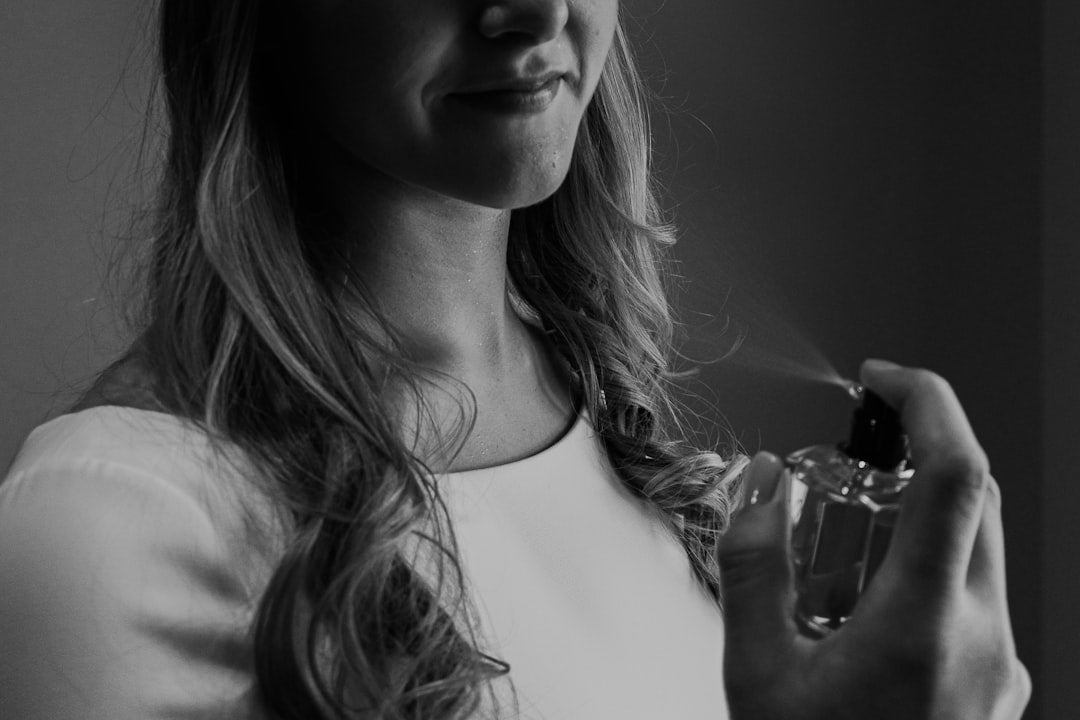
Master the art of making your perfume last longer by applying it strategically, preparing your skin, and understanding your fragrance’s composition. This guide unlocks expert techniques to elevate your scent experience from fleeting to memorable.
Key Takeaways
- Apply perfume on warm pulse points and hidden spots to extend fragrance longevity.
- Prepare skin by moisturizing and avoid rubbing perfume after application.
- Choose fragrance intensity based on concentration levels: Parfum, EDP, EDT, or EDC.
- Use layering with matching scented body products to boost scent depth and duration.
- Understand how different fragrance notes align with specific body areas for optimal projection.
- Store perfumes properly to maintain freshness and potency.
Table of Contents
- 1. The Impact of Perfume Application on Longevity
- 2. Optimal Pulse Points for Perfume Application
- 3. The Role of Skin Type in Perfume Longevity
- 4. Fragrance Intensity and Lifespan Decoded
- 5. Building Depth and Longevity Through Fragrance Layering
- 6. Aligning Perfume Notes with Application Sites
- 7. Common Mistakes to Steer Clear of in Perfume Application
- 8. The Refined Ritual: Historical and Cultural Perspectives
- 9. Practical Wisdom on Utilizing Perfume on Textiles
- 10. Maximizing Freshness Through Optimal Perfume Storage
- 11. Embracing Your Unique Body Chemistry
- FAQs: Essential Tips on Perfume Application
1. The Impact of Perfume Application on Longevity
Perfume consists of fragrant oils combined with alcohol or oil bases. Once applied, scent molecules begin to evaporate depending heavily on the application site and interaction with your skin. Strategic application to pulse points and warm areas accelerates the release of fragrance while prolonging endurance. The heat from blood vessels at pulse points helps disperse scent molecules steadily, but exploring less conventional spots can surprise you by extending your fragrance’s life.
Understanding your perfume’s composition alongside these application sites elevates your daily routine into an expressive ritual that highlights your personal essence.
2. Optimal Pulse Points for Perfume Application
Classic Pulse Points
- Wrists
- Neck (sides and base of the throat)
- Behind the ears
- Inner elbows
- Behind the knees
Hidden Perfume Gems for Prolonged Wear
- Navel – warm and snug, perfect for lingering scents
- Lower back – shielded from air, retains scent well
- Ankles – gentle movements help subtle dispersal
- Hair – absorbs fragrance gently; avoid alcohol-heavy sprays to prevent drying
- Chest – especially upper chest and décolletage for a sensual release
Pro Tip: Spritz lightly on multiple pulse points for an evolving, multidimensional scent throughout your day.
Discover more about these ideal spots at Perfume Application - Ideal Spots to Apply Perfume.
3. The Role of Skin Type in Perfume Longevity
Your skin’s natural oiliness or dryness can significantly influence how long your fragrance lasts:
- Oily skin: Holds scents longer by better trapping fragrance molecules.
- Dry skin: Leads to faster scent evaporation as there is less moisture to hold the oils.
To maximize longevity:
- Apply perfume on clean, moisturized skin.
- Use an unscented or matching-scent lotion beforehand to lock in oils.
- Avoid rubbing wrists together after spraying, as it breaks down the delicate top notes.
4. Fragrance Intensity and Lifespan Decoded
Understanding the concentration of fragrance oils in your perfume helps set realistic expectations for wear time:
- Parfum (Perfume Extract): Highest concentration (20-30%), lasts 8+ hours with minimal sprays.
- Eau de Parfum (EDP): Medium to high (15-20%), suitable for consistent daily wear.
- Eau de Toilette (EDT): Moderate (5-15%), lighter and often needing reapplication.
- Eau de Cologne (EDC): Low (2-5%), best for short bursts or warm climates.
Choose intensity based on your lifestyle, environment, and desired scent strength for maximum effect.
5. Building Depth and Longevity Through Fragrance Layering
Layering involves applying multiple products within the same scent family to build complexity and enhance duration:
- Start with a matching body wash or shower gel.
- Use a scented or unscented body lotion or moisturizer after showering.
- Finish with your perfume sprayed on pulse points.
Benefits:
- Creates a fuller scent progression as notes evolve.
- Locks fragrance molecules to your skin.
- Extends overall longevity.
Caveat: Only combine complementary or matching scents to avoid discordant aromas.
6. Aligning Perfume Notes with Application Sites
Fragrances unfold in layers — top, heart, and base notes. Applying perfume to the spots that enhance these notes reveals the fragrance’s full personality:
Top Notes: Fresh and Evanescent
Citrus and fresh florals sparkle best when applied to the hair, inner elbows, and wrists. These areas amplify the light, fleeting opening scents.
Heart Notes: Florals and Spices
Warm areas like the neck and chest nurture the floral, spicy, or herbal heart notes, letting them bloom fully during the day.
Base Notes: Profound and Lasting
Musky, leathery, and amber base notes reveal themselves slowly from spots such as the backs of knees, lower back, navel, and behind the ears, offering a sensual depth.
Specific Example
Montale Paris Black Musk thrives when applied to the lower back and hair, delivering a potent musk projection that lingers enticingly. For fabrics, darker textiles can hold musk scents well, but always test to prevent staining.
7. Common Mistakes to Steer Clear of in Perfume Application
- Rubbing wrists together: Dulls top notes and shortens fragrance life.
- Over-application: Too much perfume can overwhelm rather than impress.
- Applying on dry skin: Reduces scent retention; moisturize first.
- Direct sprays on hair: Alcohol content can dry hair; mist from a distance or scent scarves instead.
- Improper storage: Heat, light, and humidity degrade perfume quality over time.
8. The Refined Ritual: Historical and Cultural Perspectives
Beyond utility, perfume application is a cultivated ritual in many cultures. The French tradition, famously summarized by Edith Kunz, involves a 15-minute post-bath routine:
Lightly dab perfume on several pulse points, layer with matching lotions or oils, and tuck a scented cotton pad into your bra for subtle all-day diffusion.
This slow, multi-touch approach produces waves of scent, enhancing projection and embodying a refined aura.
9. Practical Wisdom on Utilizing Perfume on Textiles
Applying perfume to clothing can increase longevity but must be done carefully:
- Test on a hidden area first to avoid staining.
- Dark fabrics are preferable to light ones for scent application.
- Consider misting scarves or hats as clever, scent-friendly accessories.
- Be mindful that scents on fabric do not evolve like those on skin, often remaining static.
10. Maximizing Freshness Through Optimal Perfume Storage
- Store perfumes away from direct sunlight and heat sources, avoiding bathrooms.
- Choose cool, dark locations such as drawers or wardrobe shelves.
- Keep bottles tightly sealed to prevent oxidation.
- Proper storage helps maintain scent quality for 3 to 5 years.
11. Embracing Your Unique Body Chemistry
Fragrance reacts uniquely with each individual’s skin based on factors like oil levels, pH balance, diet, and environmental exposure. This makes experimentation essential to find your perfect match. Trying different application methods and sites will help you discover how your personal chemistry enhances or alters your favorite scents.
Gradually develop a distinctive scent ritual that truly reflects your identity.
FAQs: Essential Tips on Perfume Application
How many sprays suffice for optimal fragrance impact?
Typically, 4 to 6 spritzes applied to key pulse points strike a balance between longevity and subtlety.
Is it better to apply scent to skin or garments for full impact?
Skin application is preferred as it allows the fragrance notes to develop fully and evolve over time. Garments may hold scent longer but often without the dynamic complexity.
Can fragrances be mixed?
Yes, when the notes are complementary. Mixing incompatible scents can produce a confusing or unpleasant aroma. Experiment cautiously.
What quickens fragrance evaporation?
Dry skin, environmental factors like heat and wind, and improper application (such as rubbing) can speed up scent loss.
Do perfumes inevitably lose their potency over time?
Yes, especially when stored improperly. Exposure to sunlight, heat, and air can degrade fragrance molecules, making proper storage vital.